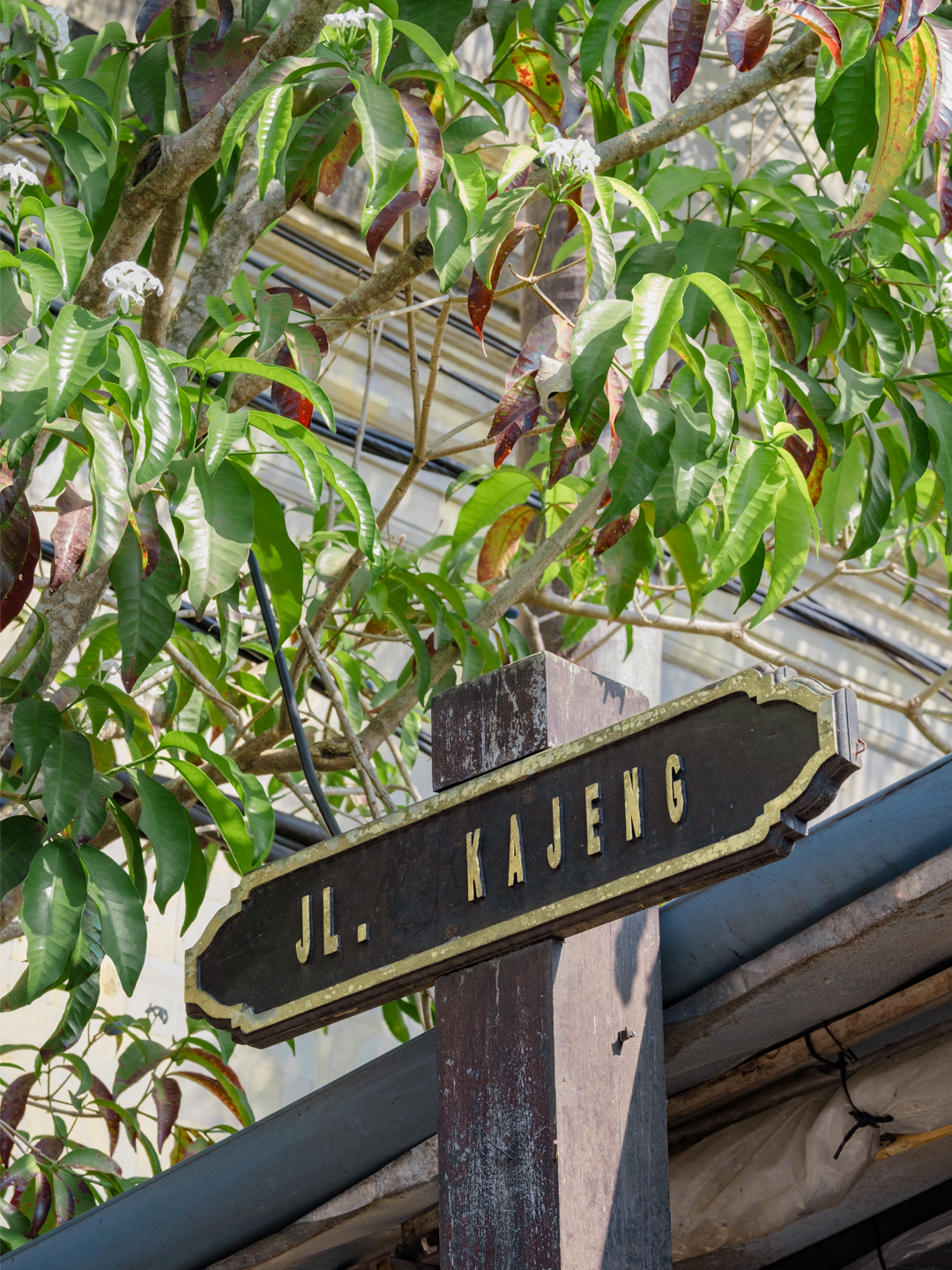
A photo essay from Jalan Kajeng, Ubud's iconic lane
/Working with photographer Christian, we commissioned a photo essay of Kajeng street. These were all shot on a relaxed Ubud day in October 2026.
You enter the street right from Ubud’s main street, right next to the Pura Desa Ubud temple and head north. The street was named after a son of Ubud who played a role in Indonesia’s fight for independence, Made Kajeng, and today is a riot of color and pedestrians exploring small market stalls as they make their way to the most accessible of Ubud’s rice fields. Depending on how much market browsing you do, you can reach the fields in 15 minutes. They are located at the far northern end of the street.
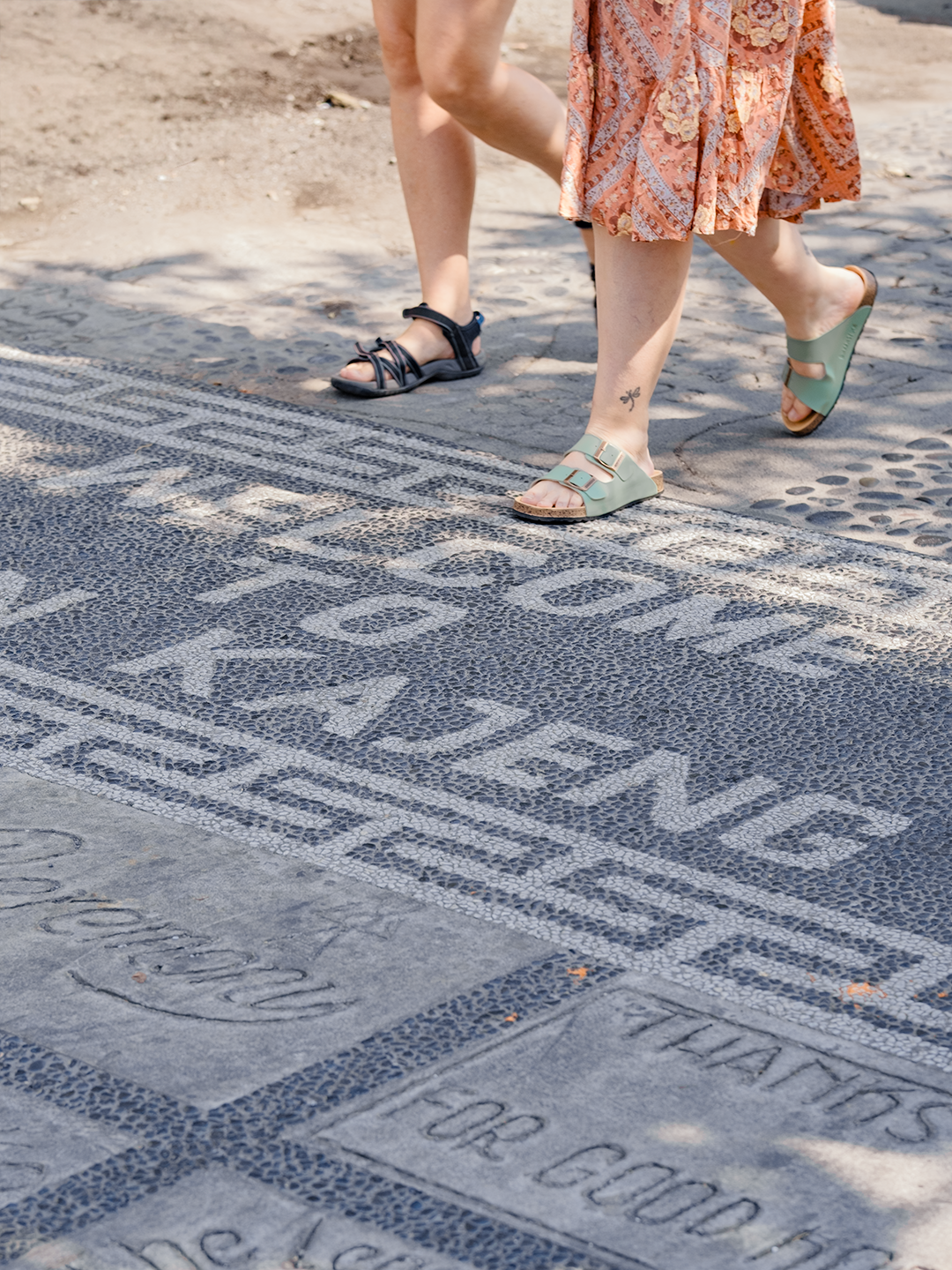
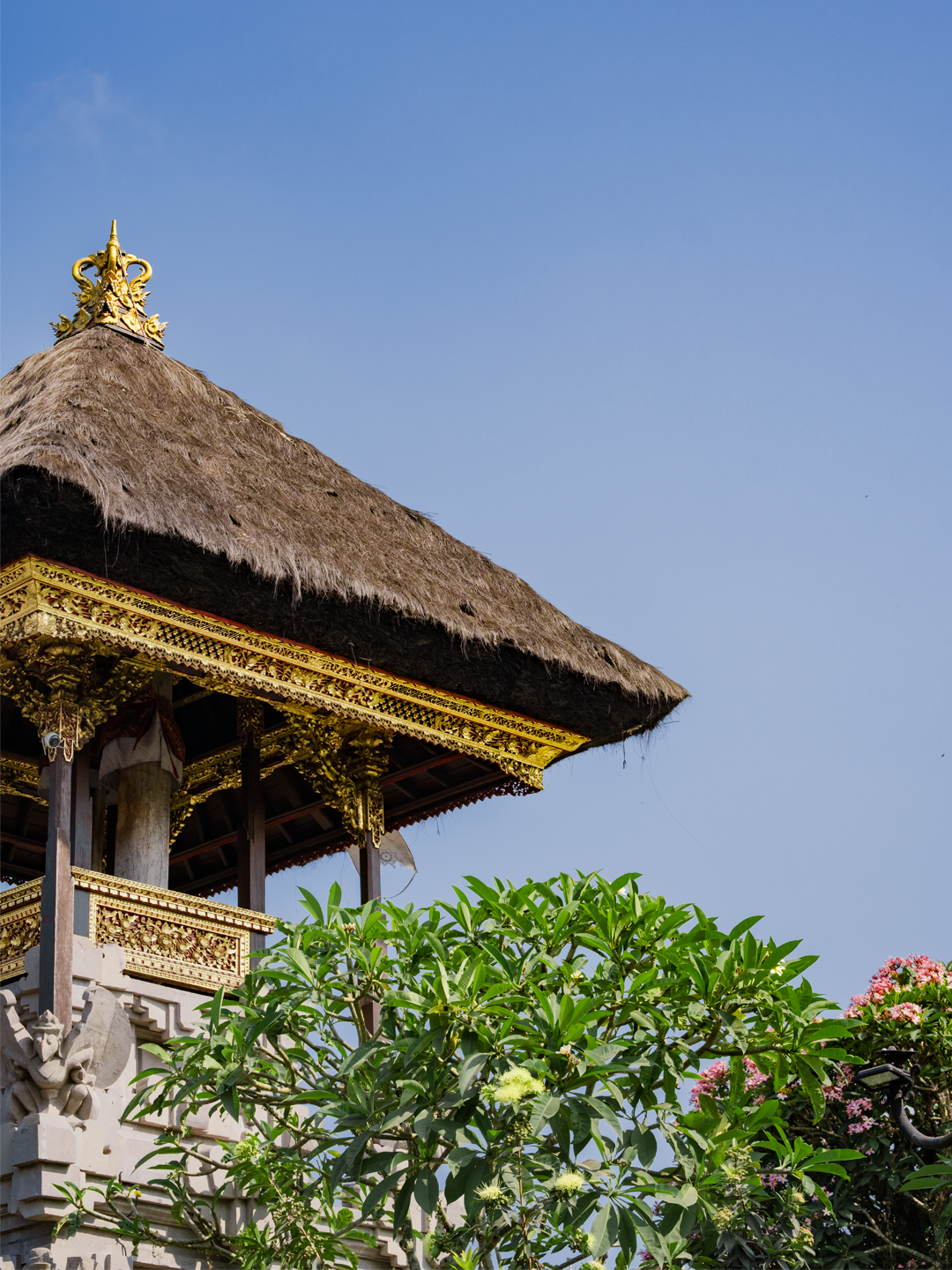
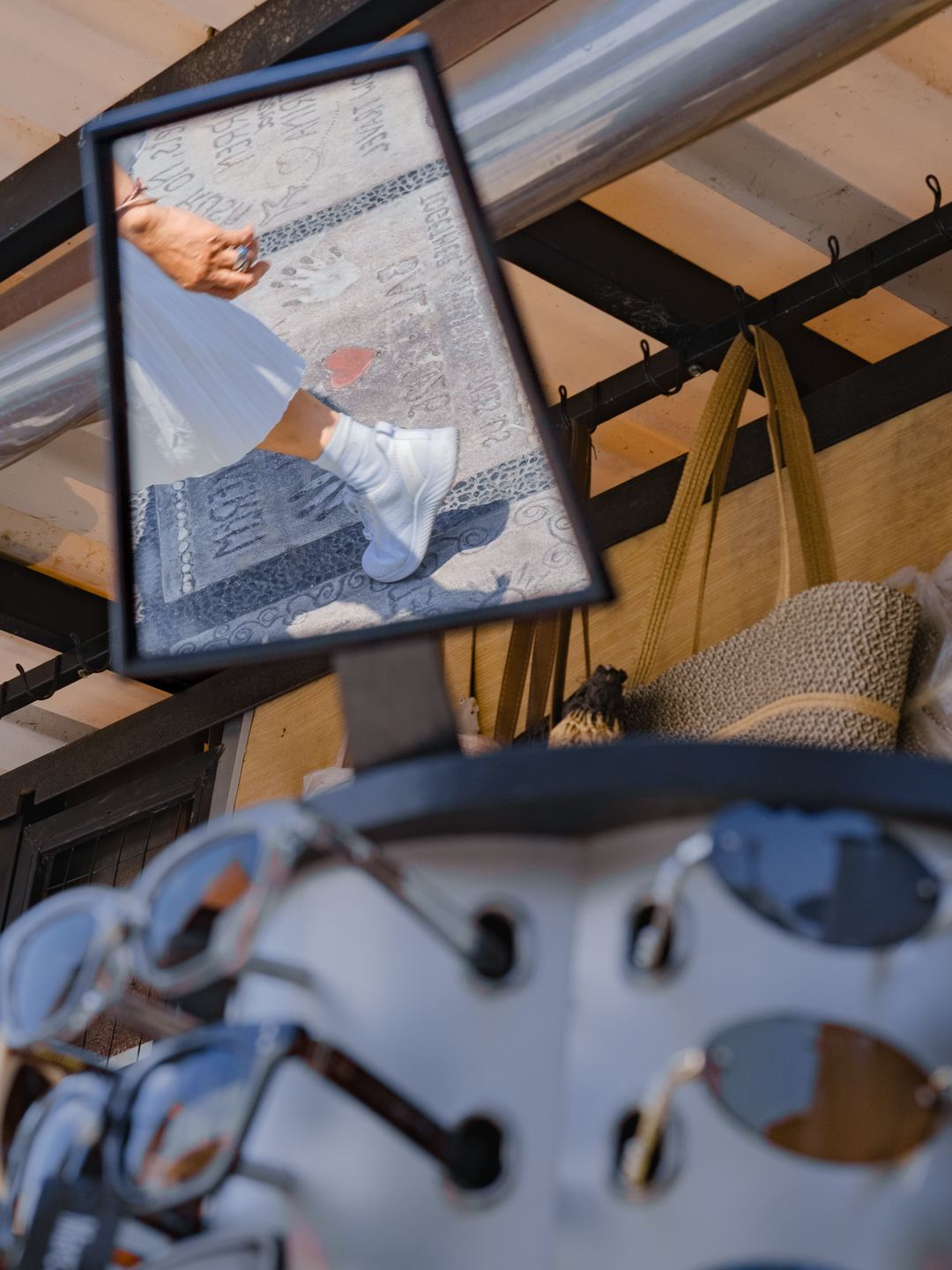
Kajeng is famous for the hundreds of messages inscribed in cement underfoot. People as far back as in the 1980s helped pay for the street’s paving by ‘buying’ a square and leaving messages, handprints, signatures and drawings in the wet cement. Repairs mean that there are often opportunities for more recent visitors to leave a mark on Ubud, too. No walk on Kajeng is complete without reading the love notes, memorials and even advertisements for local businesses under your feet.
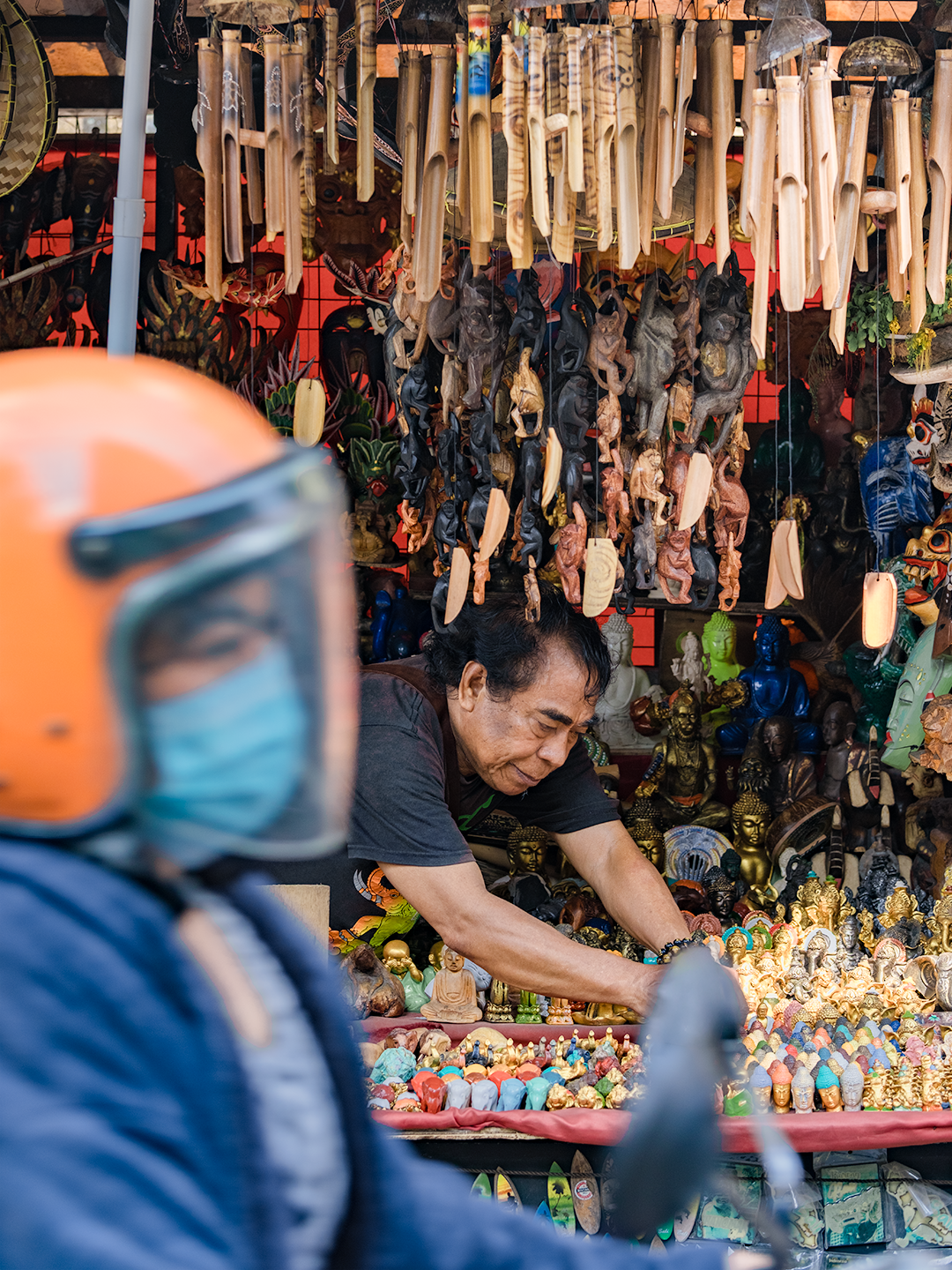
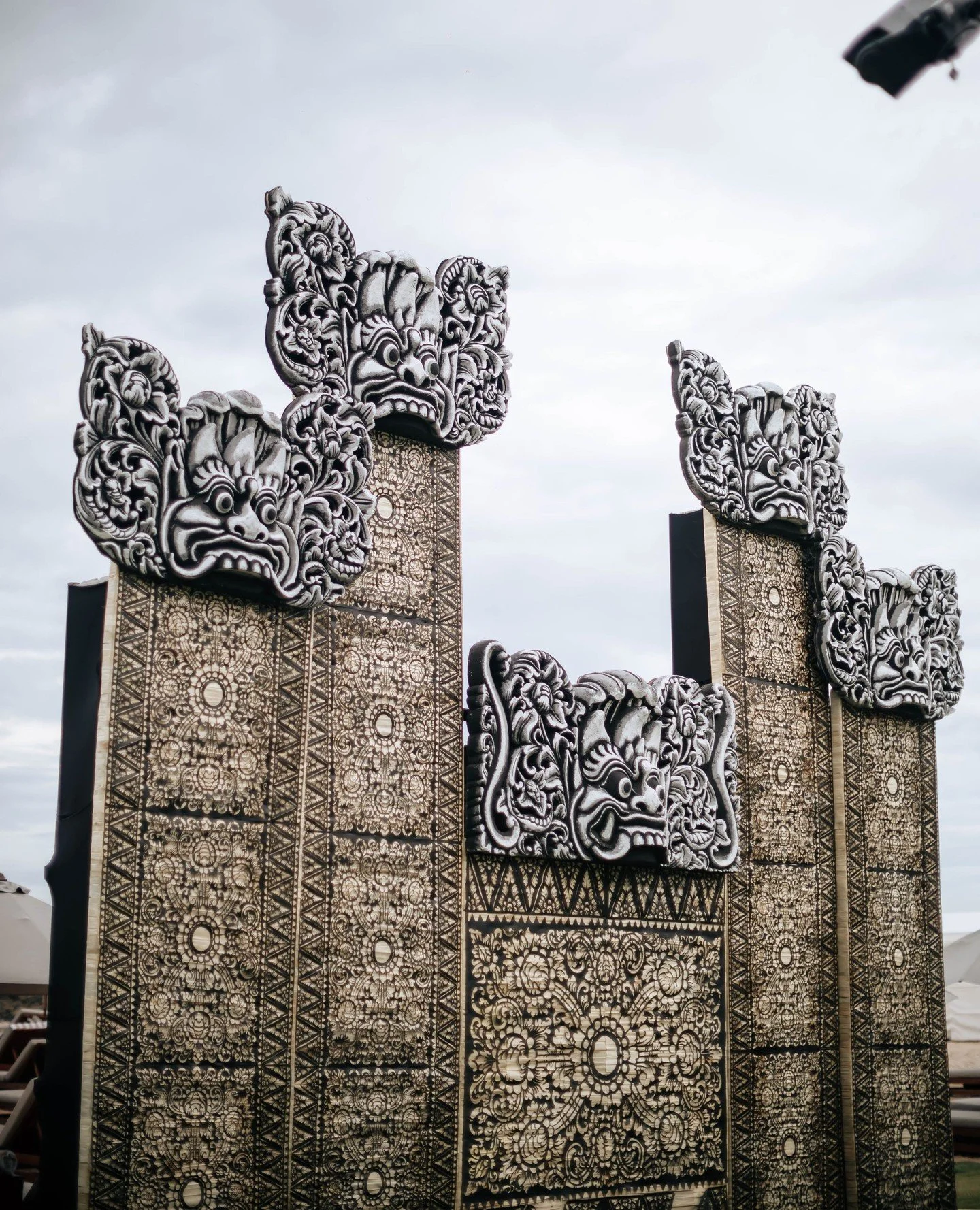
Since Ubud market’s terrible fires (both of them leading to long closures), the street also became an alternative space for the local villagers to set up stalls and create a colorful outdoor market street. It’s a feast for the eyes. The beautiful carved gates to each compound combine with signs of daily Balinese life every few meters, whether a ceremony, kids heading off to school, the local dogs sunbathing, or neighbors catching up on the news. Jalan Kajeng is home to many members of Banjar Ubud Tengah, Ubud’s smallest banjar (traditional community organization) and is a close knit community. Everyone knows everyone here.
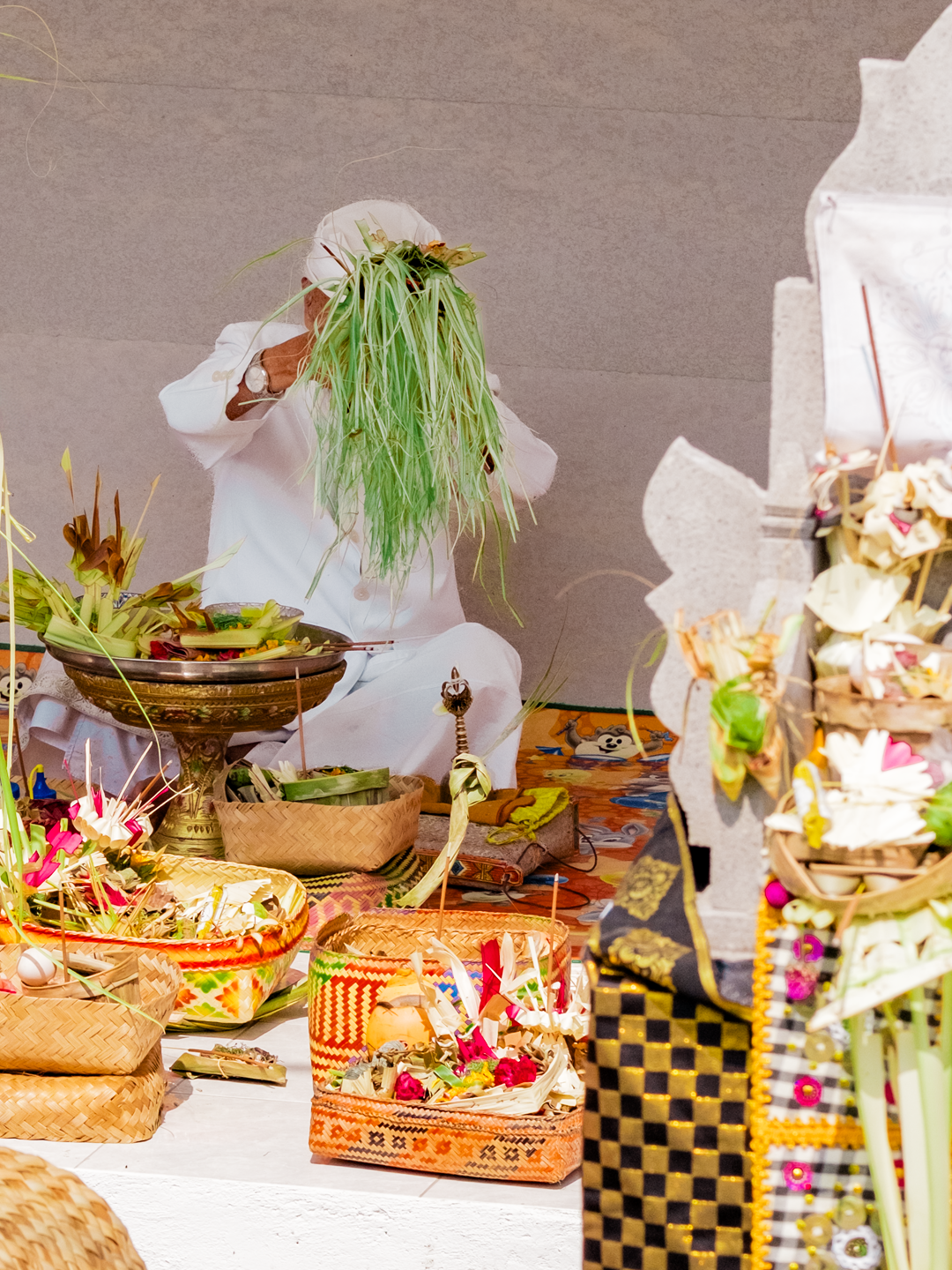
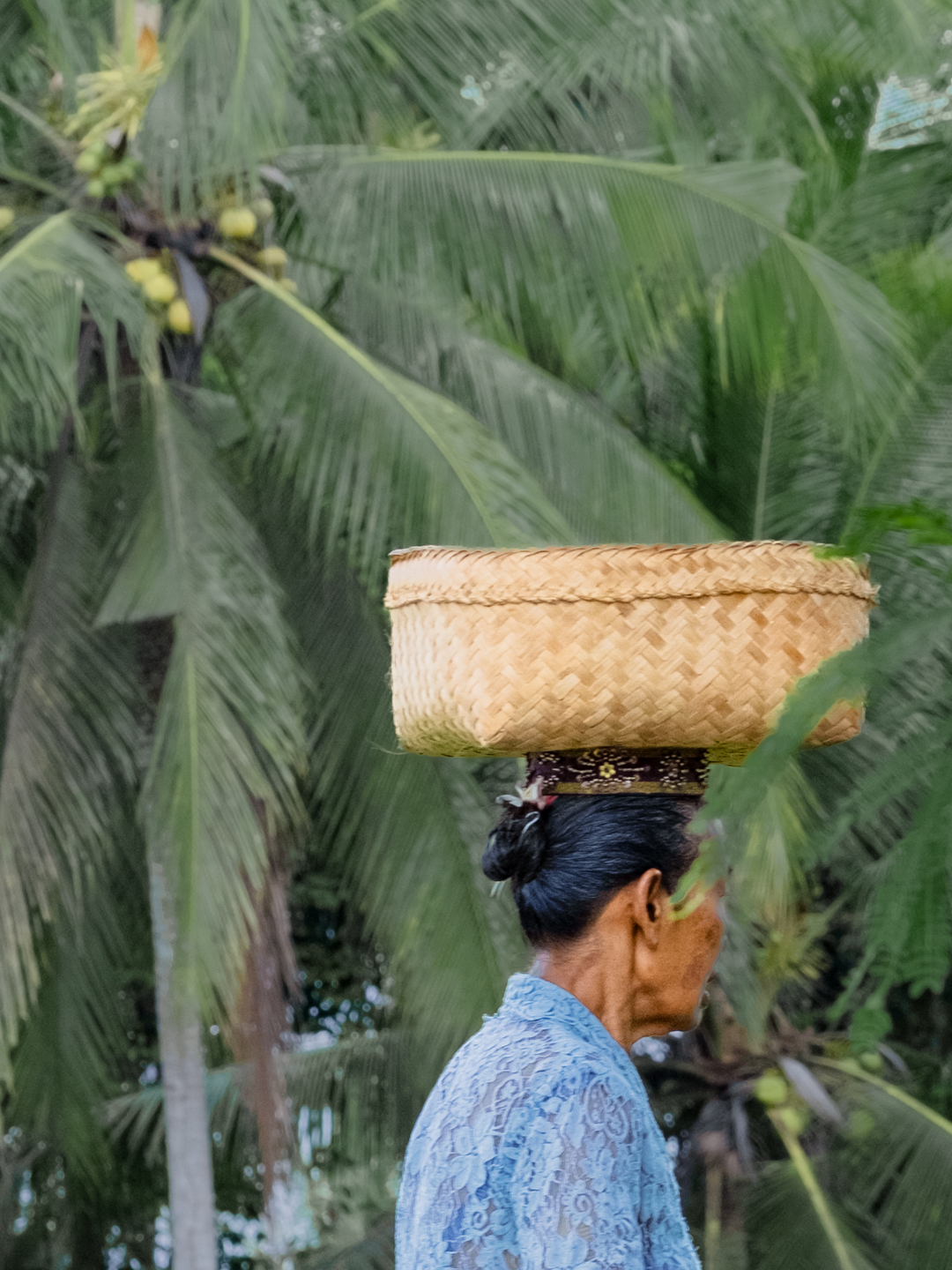
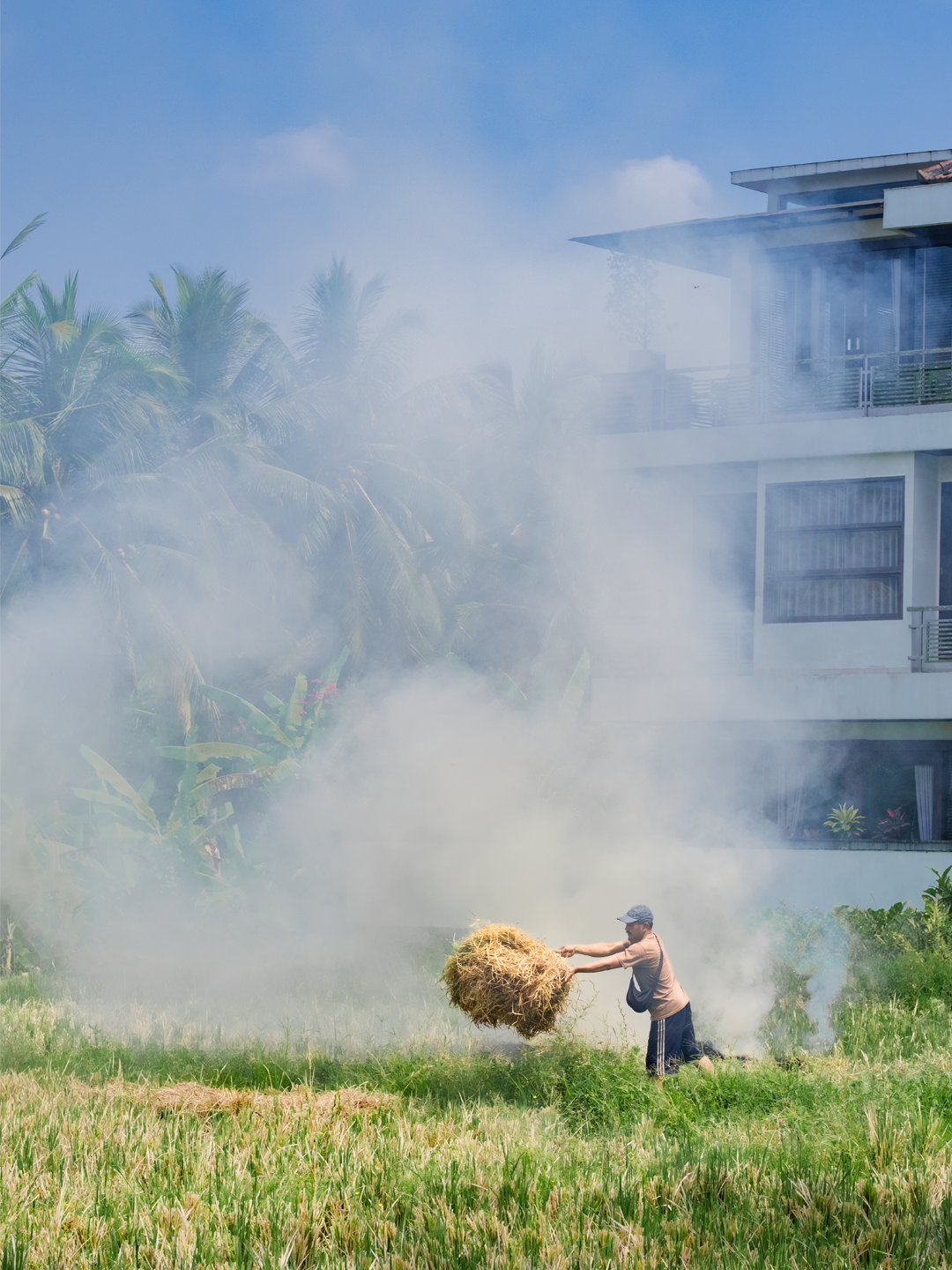
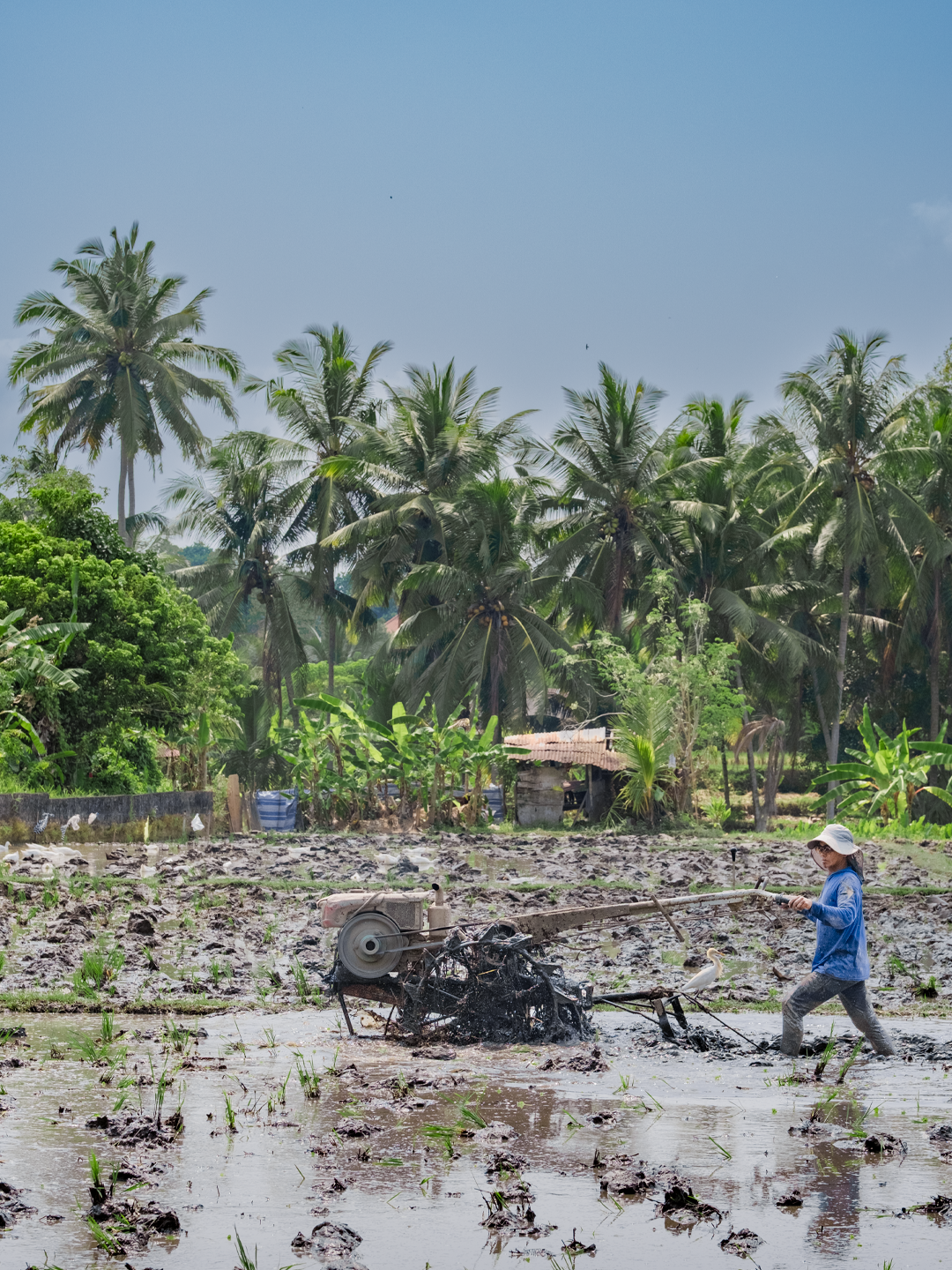
At the very end of Kajeng, the street gets narrower and narrower, the stalls peter out, and you climb a steep hill before suddenly coming out into the heart of Ubud’s ricefields on a path lined with coconut trees. The villagers who live in town each have their rice fields here. Some have been converted into small hotels and housing as people choose to move out of the agricultural sector, but you can still watch the farmers till the soil, harvest or plan, say hi to the cows and ducks, and see a timeless Bali landscape that is becoming more and more rare.
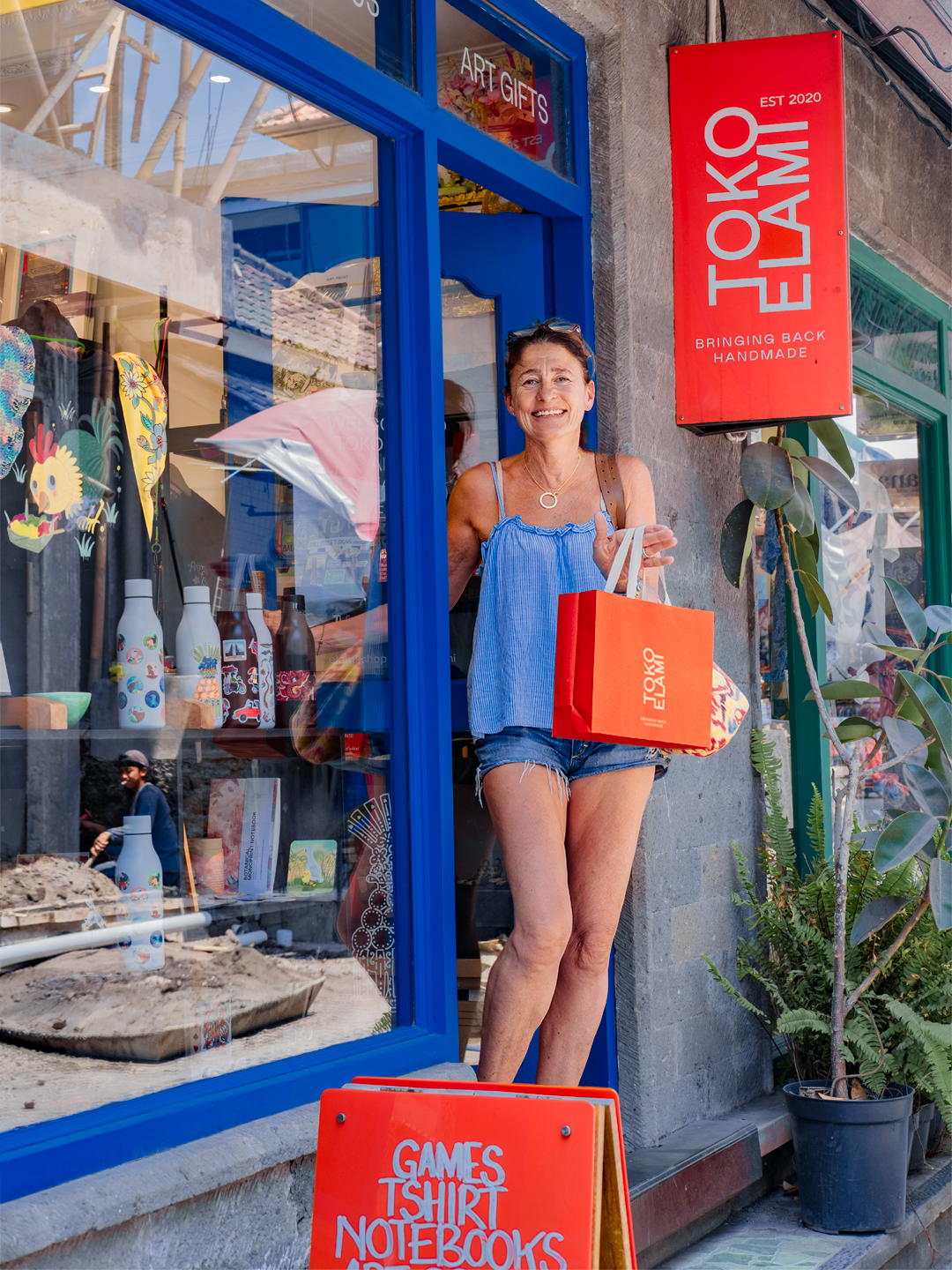
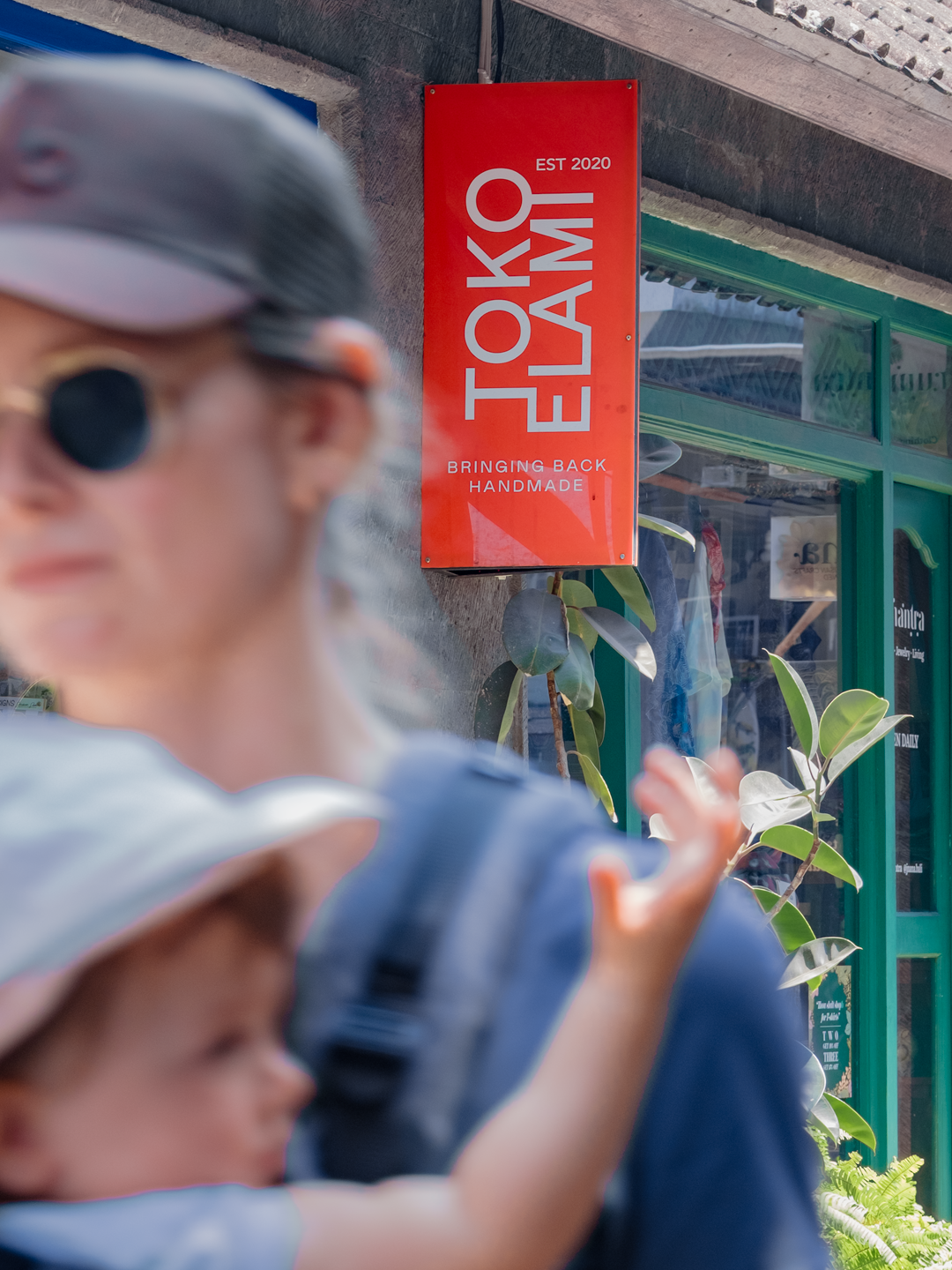
Jalan Kajeng is also home to Toko Elami. We’ve been part of the streetscape for 4 years now, watching the ebb and flow of tourists, the seasons that bring heavy rain and then swooping kites overhead, the annual festivals and ceremonies. We definitely recommend taking a few hours to explore this area. Ubud can often be hard to navigate on foot, but this street is the perfect place for perambulators! Enjoy!